


18 років заводського CAS: 80-05-7 Бісфенол А 99% чистота
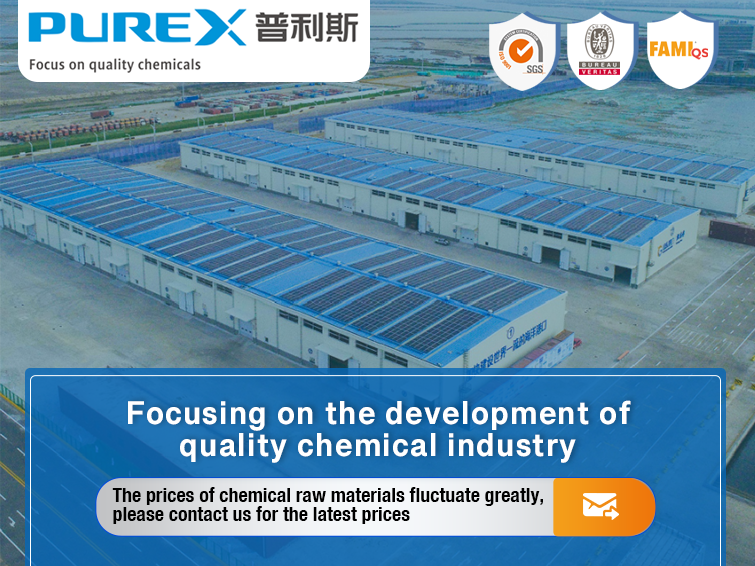
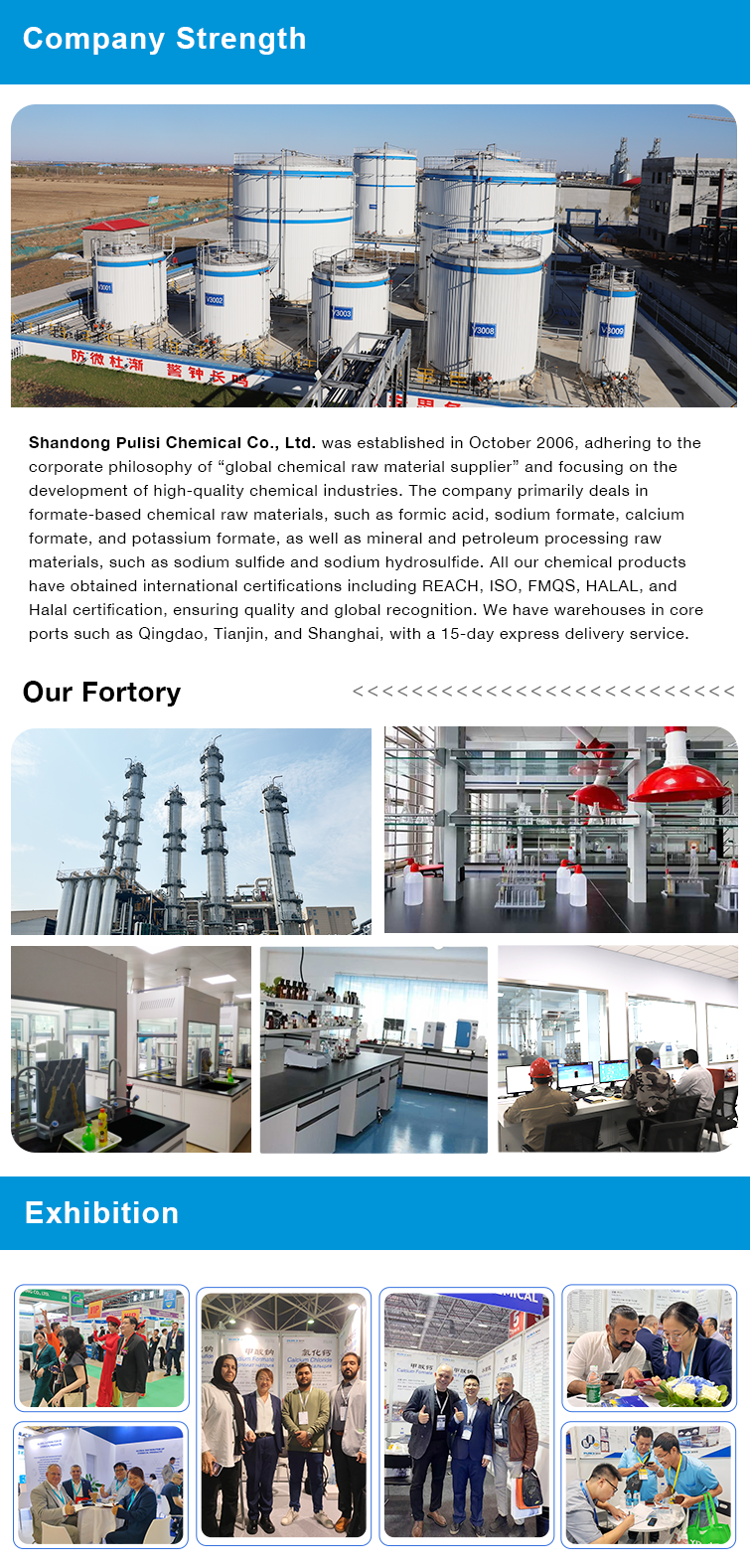
Наша компанія приділяє особливу увагу адмініструванню, підготовці талановитих співробітників, а також побудові командної роботи, докладаючи всіх зусиль для підвищення стандартів та відповідальності наших клієнтів. Наша компанія успішно отримала сертифікат IS9001 та європейський сертифікат CE. 18 років виробництва на заводі CAS: 80-05-7 Бісфенол А, чистота 99%. Ваша підтримка - наша вічна енергія! Щиро вітаємо клієнтів у вас вдома та за кордоном.
Наша компанія приділяє особливу увагу адмініструванню, підготовці талановитих співробітників, а також побудові командної роботи, докладаючи всіх зусиль для підвищення стандартів та відповідальності наших клієнтів. Наша корпорація успішно отримала сертифікат IS9001 та європейський сертифікат CE. Завдяки нашій відданості наші товари добре відомі в усьому світі, а обсяг нашого експорту постійно зростає з кожним роком. Ми й надалі прагнемо досконалості, пропонуючи високоякісну продукцію, яка перевершить очікування наших клієнтів.
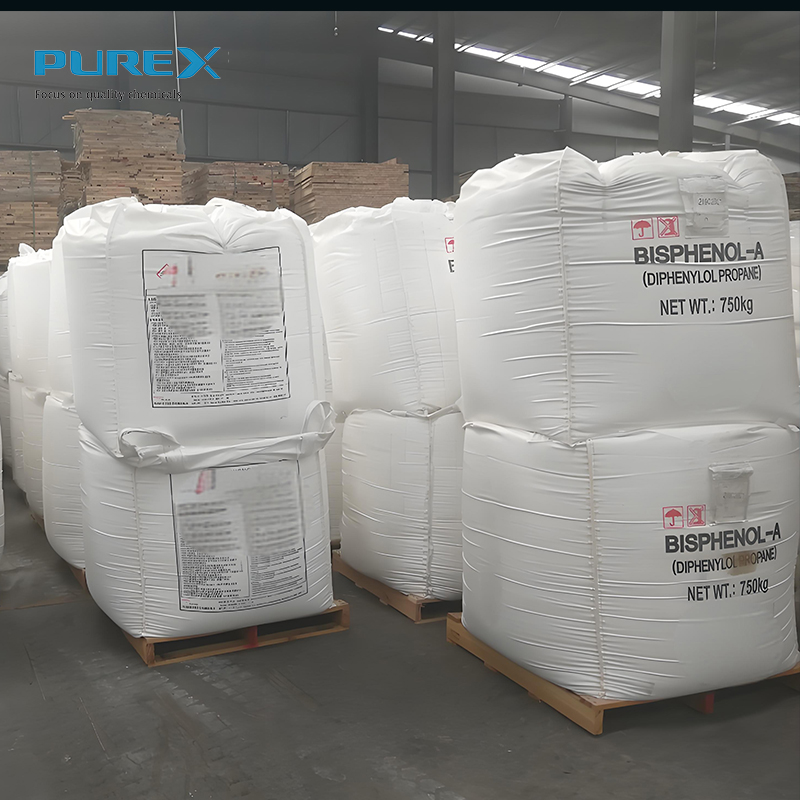
Умови зберігання бісфенолу А повинні ґрунтуватися на основних цілях «запобігання псування, забезпечення безпеки та уникнення впливу на навколишнє середовище».
Використання бісфенолу А (BPA)
Бісфенол А (BPA) є важливою сировиною для синтезу полікарбонатів, епоксидних смол та стійких до високих температур поліефірів. Він також використовується як стабілізатор ПВХ, пластиковий антиоксидант, поглинач ультрафіолетового випромінювання, фунгіцид тощо.
Як універсальна сполука, BPA широко використовується у виробництві епоксидних смол, полікарбонатів, поліефірних смол, поліфеніленових ефірних смол та полісульфонових смол. Крім того, він служить стабілізатором для полівінілхлориду (ПВХ), антиоксидантом у пластмасах, поглиначем ультрафіолетового випромінювання, сільськогосподарським фунгіцидом та агентом, що запобігає старінню гуми.
Його також використовують як антиоксидант і пластифікатор у фарбах і чорнилах. В органічному синтезі BPA виступає ключовим інгредієнтом для виробництва епоксидних і полікарбонатних смол, і він широко застосовується як важлива сировина для високомолекулярних синтетичних сполук, а також у засобах проти старіння, пластифікаторах і сільськогосподарських фунгіцидах.
1. Надійність доставки та бездоганність операційної діяльності
Основні характеристики:
Стратегічні центри зберігання на складах портів Циндао, Тяньцзінь та Лонкоу з понад 1000 одиниць
метричні тонни наявних запасів
68% замовлень доставлено протягом 15 днів; термінові замовлення мають пріоритет завдяки експрес-логістиці
канал (прискорення 30%)
2. Якість та відповідність нормативним вимогам
Сертифікати:
Потрійно сертифікований за стандартами REACH, ISO 9001 та FMQS
Відповідає глобальним гігієнічним нормам; 100% успішне митне оформлення для
Російський імпорт
3. Система безпеки транзакцій
Платіжні рішення:
Гнучкі умови: акредитив (до пред'явлення), TT (20% аванс + 80% при відвантаженні)
Спеціалізовані схеми: 90-денний акредитив для ринків Південної Америки; Близький Схід: 30%
депозит + оплата BL
Вирішення спорів: 72-годинний протокол реагування на конфлікти, пов'язані із замовленнями
4. Гнучка інфраструктура ланцюга поставок
Мультимодальна логістична мережа:
Авіаперевезення: 3-денна доставка пропіонової кислоти до Таїланду
Залізничний транспорт: Спеціальний маршрут для транспортування форміату кальцію до Росії через євразійські коридори
Рішення ISO TANK: прямі перевезення рідких хімікатів (наприклад, пропіонової кислоти до
Індія)
Оптимізація упаковки:
Технологія Flexitank: зниження вартості етиленгліколю на 12% (порівняно з традиційними бочками)
упаковка)
Форміат кальцію/гідросульфід натрію будівельного класу: вологостійкі ткані поліпропіленові мішки вагою 25 кг
5. Протоколи зменшення ризиків
Видимість від початку до кінця:
GPS-відстеження контейнерних перевезень у режимі реального часу
Послуги сторонньої інспекції в портах призначення (наприклад, постачання оцтової кислоти до Південної Африки)
Післяпродажне обслуговування:
30-денна гарантія якості з можливістю заміни/повернення коштів
Безкоштовні логери моніторингу температури для перевезень рефрижераторних контейнерів
Метод з бісфенолом а/бпа та сірчаною кислотою (кислотний каталізатор)
Традиційний метод виробництва бісфенолу а (БФА) використовує сірчану кислоту як каталізатор для конденсації фенолу та ацетону. Однак цей метод має низьку селективність, генерує понад 40 видів домішок, які важко відокремити, та призводить до отримання бісфенолу а (БФА) низької якості. Він також передбачає високе споживання сірчаної кислоти, що призводить до утворення значної кількості стічних кислот та кислих стічних вод, що містять фенол, що призводить до серйозного забруднення навколишнього середовища. Розвинені країни давно відмовилися від процесу виробництва сірчаної кислоти.
Категорії продуктів
-
Котирування на толуолдіізоціанат Tdi 80/20
-
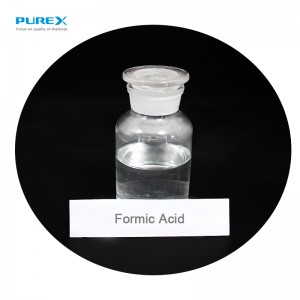
Швидка доставка Китай CAS 64-18-6 Мурашина кислота для...
-

Розумна ціна Пряме постачання заводу Натрій L...
-
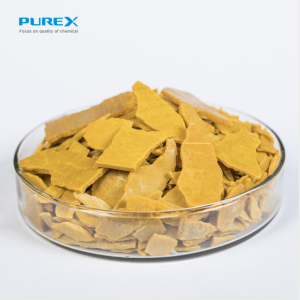
Фабрика з виробництва китайської фабрики жовтих пластівців натрію...
-
Фабрика дешевих китайських гарячих продажів форміату натрію...
-
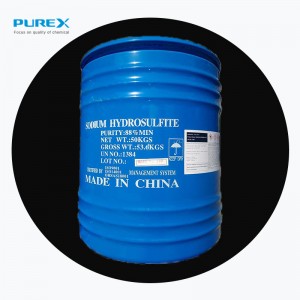
Гарячий розпродаж гідросульфіту натрію 85% 88% 90% фактор...